Proposed Federal Film Tax Credit: Up to 30% Incentive for U.S. Productions
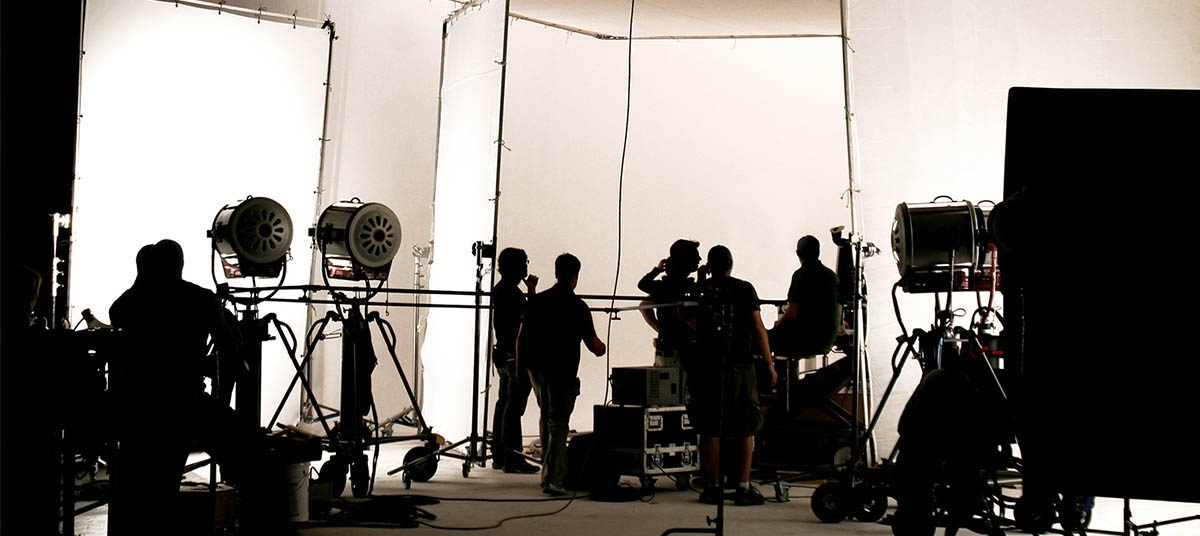
For years, domestic production companies have watched film and television projects migrate overseas to leverage generous foreign tax incentives. In response, a bipartisan group of federal lawmakers is championing legislation designed to bring production back to the United States through a targeted federal tax incentive.
The proposed legislation, known as the Motion Picture, Television, and Entertainment Revitalization Act, aims to establish a new federal income tax credit for eligible film and television productions created within the United States.
The legislative framework begins with a 20% credit on qualifying U.S. labor costs, with potential tier bonuses elevating the total incentive up to 30%. Although closely associated with the entertainment industry, advocates frame the initiative as a broad economic measure aimed at supporting domestic labor and local small businesses.
Understanding the Structure of the Proposed Federal Film Tax Credit
According to the House version of the bill, qualified entertainment productions could claim a baseline tax credit equal to 20% of eligible compensation paid to workers performing services in the United States.
To qualify for the credit, a production would generally need to incur total costs exceeding $1 million, and no less than 75% of its principal photography days would need to take place within the United States.
The definition of eligible labor extends far beyond on-camera talent. The proposed statutory language specifically encompasses compensation paid to directors, producers, writers, camera operators, set designers, lighting and sound technicians, makeup artists, editors, visual effects specialists, and numerous other technical crew members. Furthermore, qualifying expenses include both pre-production and post-production services.

Additional Incentives Pushing Credit Amounts to 30%
While the baseline incentive offers a 20% tax credit, the bill outlines multiple tier adjustments that can add five percentage points per category, capped at a maximum aggregate rate of 30%.
Bonus percentage increases are available for qualifying independent productions and for projects that conduct substantial filming within rural Opportunity Zones or federally designated disaster areas. Additionally, the proposal incorporates specific incentives tied to expanding domestic production footprints and executing projects across multiple states.
Special qualification criteria apply to visual effects and post-production activities, directly addressing industry concerns regarding the offshoring of technical digital talent.
Economic Factors Driving Federal Legislative Action
The U.S. film and television industry faces intense international competition for production capital. Countries such as Canada, the United Kingdom, and Australia offer substantial tax breaks and rebates that make filming abroad significantly more cost-effective.
Data highlighted by the Los Angeles Times reveals that 45% of U.S. feature films and scripted television series were produced internationally last year, marking a notable increase from approximately one-third in 2022.
Although individual states like California, Georgia, New York, and Louisiana maintain their own production tax credits, proponents argue state-level programs alone lack the scale necessary to compete against national tax subsidies offered by foreign governments.
Broader Economic Impacts on Labor and Local Business
Proponents of the legislation emphasize that bringing entertainment production back to domestic soil benefits the broader workforce rather than just high-profile talent.
A single production requires a broad range of trades and service providers, employing carpenters, electricians, costume designers, makeup artists, camera operators, drivers, construction crews, and catering teams.
Furthermore, production activities generate substantial local spending at hotels, restaurants, equipment rental firms, hardware suppliers, and transportation companies, serving as a direct catalyst for small business activity.
This wide economic impact explains why the legislation boasts broad geographical sponsorship. Initial Senate sponsors include representatives from South Carolina, California, Texas, and Georgia, while the House companion bill was introduced by representatives from Texas, California, Georgia, Tennessee, Ohio, and New York. Legislative momentum continues to build, with additional senators from both parties joining as co-sponsors.

Limitations and Excluded Production Categories
Not every media project would be eligible for the proposed tax credit. The legislative language specifically targets commercial film and television productions while explicitly excluding certain formats.
Excluded categories include news programming, live sports broadcasts, talk and interview shows, game shows, award ceremonies, and specific social media content. In addition, advertising, marketing, promotional materials, fundraising videos, and internal corporate or institutional media are ineligible.
If enacted in its current form, the credit would apply to qualified productions commencing principal photography in tax years starting after December 31, 2026.
Evaluating Legislative Outlook and Tax Planning Next Steps
Introduced on September 24, the bill has gathered bipartisan momentum in both chambers, alongside public support from President Trump calling for federal film incentives. Supporters aim to advance the legislation during the post-election congressional session. However, because this credit remains a proposal, production companies cannot claim it today, and provisions may change or fail to pass as negotiations continue.
A federal film tax credit would mark a significant shift in national tax policy and domestic production strategy. If you operate in the entertainment industry or support production supply chains, staying ahead of proposed legislative changes is essential. Contact our tax advisors today to discuss proactive tax planning strategies for your business.
Want tax & accounting tips and insights?
Sign up for our newsletter.